If you’re planning to buy Canon DSLR camera models today, chances are you’ve come across two popular options: the Canon EOS 2000D and the Canon EOS 250D. Both are beginner-friendly, widely available, and ideal for anyone looking for a DSLR camera in Canada or beyond. But while they may look similar on paper, the real-world experience is quite different.
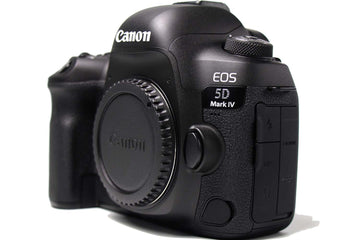
Let’s break it down in a practical, no-nonsense way so you can decide which one actually suits your needs.
Canon EOS 2000D (Rebel T7)
The Canon EOS 2000D is designed for absolute beginners. It keeps things simple and focuses on the basics—something many new photographers actually prefer.
It comes with a 24.1MP APS-C sensor, which delivers solid image quality for everyday photography. The camera also includes built-in Wi-Fi, making it easy to transfer images to your phone. However, it uses an older DIGIC 4+ processor and offers a basic 9-point autofocus system with limited speed and performance.
In real-world use, this camera is great for:
- Travel photography
- Family photos
- Learning manual settings
But there are limitations. There’s no 4K video, the LCD screen is fixed, and overall performance feels dated compared to newer models.
Canon EOS 250D (Rebel SL3)
The Canon EOS 250D is what happens when Canon refines the beginner DSLR formula. It still feels approachable but adds features that make a big difference.
You get the same 24MP resolution, but with a newer DIGIC 8 processor, which improves speed, autofocus, and overall performance. The biggest upgrade? 4K video and a fully articulating touchscreen—perfect for vlogging and content creation.
Compared to the 2000D, the 250D feels more modern and flexible. It’s also lighter and more compact, making it easier to carry around.
📊 PRODUCT COMPARISON TABLE
| Sensor | 24.1MP APS-C | 24.1MP APS-C |
| Processor | DIGIC 4+ | DIGIC 8 |
| Autofocus | 9-point AF | Improved AF with better tracking |
| Video | Full HD (1080p) | 4K video |
| Screen | Fixed LCD | Vari-angle touchscreen |
| Weight | Heavier | Lighter & compact |
| Battery Life | Good | Excellent |
| Best For | Beginners | Beginners + creators |
Real-World Differences That Matter
1. Ease of Use
Both cameras are beginner-friendly, but the 250D feels more intuitive thanks to its touchscreen interface. If you’re used to smartphones, this matters more than you think.
2. Content Creation
If you’re even slightly interested in YouTube, Instagram, or video content, the 250D is the clear winner. The flip screen and 4K recording make it far more versatile.
3. Performance
The 2000D gets the job done, but it can feel slow—especially in autofocus and burst shooting. The 250D, with its newer processor, handles things more smoothly.
4. Lens Compatibility
Both cameras support a wide range of canon lens options (EF and EF-S mount), which is a huge advantage. Whether you’re shooting portraits, landscapes, or wildlife, you’ll have plenty of upgrade options.
Which One Should You Choose?
- Choose Canon EOS 2000D if:
You’re on a tight budget and just want a simple camera to learn photography. - Choose Canon EOS 250D if:
You want a future-proof DSLR with better features, especially for video and content creation.
If you’re browsing for an online Canon DSLR camera in Canada, the 250D is usually the smarter long-term investment. The price difference is justified by the added features and usability.
Q&A Section
Why Canon DSLR Cameras Are Perfect for Content Creators
Canon DSLRs are a great choice for content creators because they offer excellent image quality, reliable autofocus, and access to a huge range of canon lens options. Models like the 250D also include features like 4K video and flip screens, making them ideal for YouTube, vlogging, and social media content.
Top Reasons to Buy a Canon DSLR Camera Today
- Affordable entry point compared to mirrorless
- Wide selection of lenses and accessories
- Strong battery life for long shoots
- Easy-to-use interface for beginners
- Proven reliability and image quality
Even in 2026, choosing a DSLR camera in Canada still makes sense—especially if you value simplicity, battery life, and cost-effectiveness over the latest trends.
Comments
Post a Comment